The Benefits of Journaling for Mental Health

Why putting pen to paper can completely shift your inner world.
We live in a time where most of us are carrying a lot…stress, expectations, emotional weight, mental to-do lists, and the constant pressure to show up for everyone else. Our minds are overloaded. Our nervous systems are stretched thin. And somewhere in the middle of all of that, we’re expected to take care of ourselves.
Journaling is one of the most accessible, grounding, and restorative tools we have for mental health.
It doesn’t require hours of free time, a special notebook, or being “good at writing.”
It simply requires honesty and a few minutes of your day.
Whether you’re on a wellness journey, healing journey, or simply trying to create more peace in your life, journaling can become a powerful anchor. Here’s why it works…and how it can support you every single day.

1. Journaling Helps Reduce Stress and Overwhelm
When thoughts stay in your head, they grow louder, heavier, and more tangled. Writing them down is like opening a valve.
You release the pressure.
You organize the chaos.
You see what’s actually real versus what anxiety is exaggerating.
For many people, journaling becomes a daily mental reset…especially during busy seasons or emotional transitions. Even a few sentences can create space to breathe again.
2. It Creates Emotional Clarity
Sometimes you don’t know what you’re feeling until you write it down.
Journaling helps you label emotions, understand triggers, and connect patterns you may not notice in the moment.
You might start a journal entry feeling irritated and end it realizing you’re actually overwhelmed.
You might begin writing about a conflict and suddenly see what boundary you need.
Clarity leads to healthier decisions,and fewer emotional reactions you later regret.
3. Journaling Improves Self-Awareness
Growth always starts with awareness. Journaling helps you learn:
What drains your energy
What fills your cup
What habits help you
What habits sabotage you
What relationships feel safe
What patterns you’ve outgrown
As you write consistently, you’ll start to recognize your cycles and tendencies. That awareness becomes empowerment.
4. It Supports Anxiety Management
Anxiety loves the unknown and the unspoken. Keeping everything inside gives it power.
Journaling interrupts that cycle by helping you separate facts from fear.
You can release worst-case scenarios onto the page instead of letting them spiral in your mind.
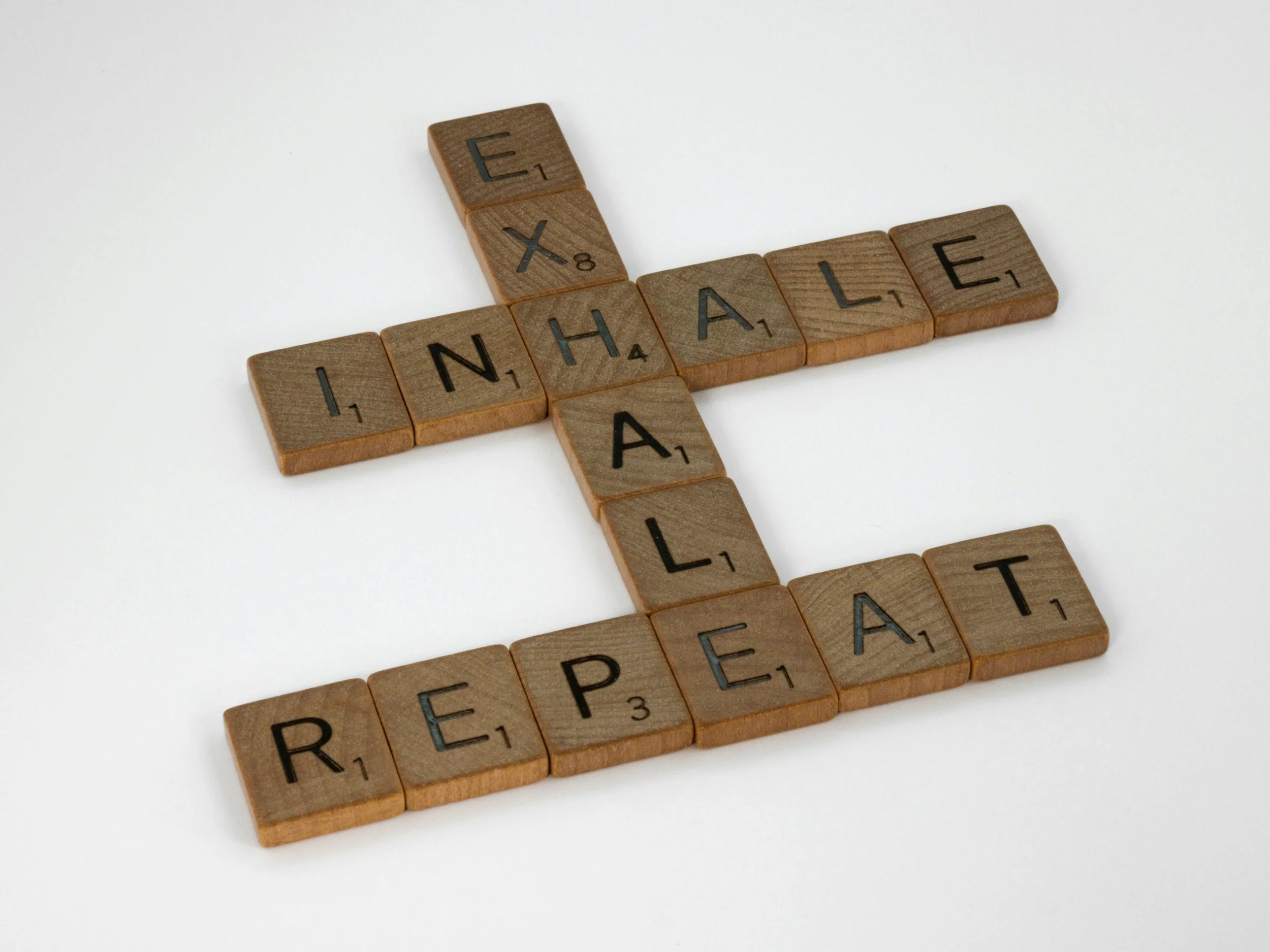
Many people also use journaling for grounding, writing sensory details, emotions, or simple affirmations that help soothe the nervous system and bring the mind back into the present moment.
5. Journaling Strengthens Your Mindset
Mindset isn’t just about positive thinking, it’s about consciously directing your thoughts.
When you journal, you create space to reflect on wins, reframe self-talk, and celebrate small progress.
This consistent reflection helps reshape your inner dialogue from:
“I’m failing”
to
“I’m learning.”
“I’m behind”
to
“I’m moving forward in my own timing.”
“I’m not enough”
to
“I’m growing, healing, and becoming stronger.”
That shift is life-changing.

6. It Helps You Process Past Experiences
Journaling often brings up memories, patterns, or old stories that you’re ready to release.
It gives you a safe space to “say the things you’ve never said,” acknowledge your past, and understand how it shaped you.
You’re not stuck in old narratives when you’re actively rewriting them.
7. Journaling Supports Your Physical Health Too
Mental and physical health are deeply connected.
Lower stress = improved sleep, better digestion, reduced inflammation, and more balanced hormones.
When you journal, you’re not just caring for your mind—you’re creating ripple effects that support your entire wellness journey.

8. It Encourages Mindfulness and Presence
Journaling forces you to slow down, even if only for a few minutes.
You reconnect with yourself.
You step away from noise, screens, and expectations.
You practice being present…a rare thing in today’s world.
This grounded state often carries into the rest of your day, helping you respond instead of react.
9. Journaling Builds Self-Compassion
When you read your own words, you start to see yourself differently.
You notice how hard you’ve been trying.
You see the progress you’ve made.
You witness your own resilience.
Journaling can soften your inner voice and help you become the person who supports you, not the one who tears you down.
10. It Helps You Set, and Stick To Your Goals
Writing about your goals creates intention. Returning to your journal creates accountability.
You can:
track habits
reflect on what’s working
note where you’re resisting
rewrite goals that no longer align
celebrate the wins you would've overlooked
This makes journaling an incredible tool for fitness, mindset, and life transformation.
How to Get Started (Even If You’ve Never Been Good at “Journaling”)
You don’t need perfect pages or deep poetic entries. Try one of these simple approaches:
Write for 3 minutes without stopping.
Start with “Today I’m feeling…”
Use journal prompts (I can make you some anytime).
Reflect on one win from the day.
Write one fear and one truth that counters it.
End the day with gratitude.
Journaling is not about style or writing something to meet someones elses expectations. Its not something that has to be seen by anyone other than yourself, it’s about honesty.
Your Journal Is a Safe Place to Come Home to Yourself
In a world that constantly pulls you in a dozen directions, journaling brings you back to center.
It supports your mental health not because it’s trendy, but because it meets you where you are, every single time.
On the good days.
On the hard days.
On the in-between days.
The more you use it, the more you’ll realize that everything you need…clarity, release, strength, direction, is already within you.
Your journal simply helps you access it.
If you don’t already have a practice of journaling, I encourage you to give it a try. It is a big piece of my health coaching. A tool that I try to get all clients to buy into because I have experienced first hand how helpful it can be.
XO,
M